
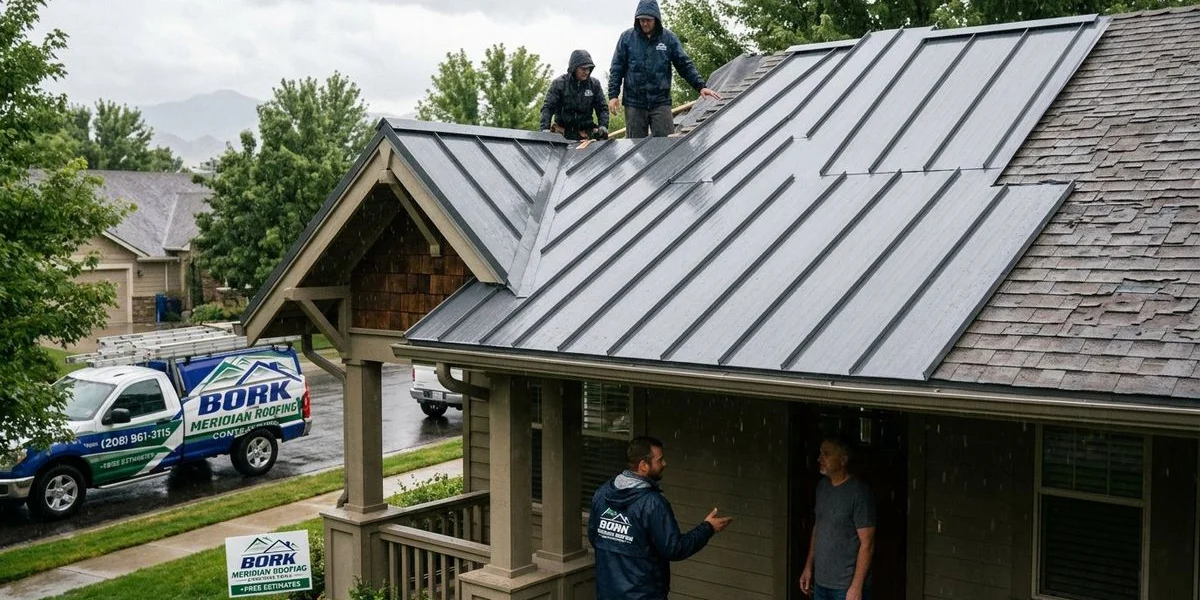
Metal roofing has earned a loyal following among Idaho homeowners.
Yet persistent myths continue to hold some people back from making the switch.
As roofing professionals who have installed metal roofs across the Treasure Valley for years, we hear these misconceptions regularly.
It is time to set the record straight.
Here are six of the most common metal roofing myths and the truth behind each one.
Myth 1: Metal Roofs Are Incredibly Loud in the Rain
This is probably the most widespread metal roofing myth.
It is understandable why people believe this.
If you have ever stood inside a barn or shed with a metal roof during a rainstorm, you know it can be noisy.
But a residential metal roof is a completely different system.
The truth: A metal roof is no louder than an asphalt shingle roof during rain when installed over solid roof decking with proper underlayment.
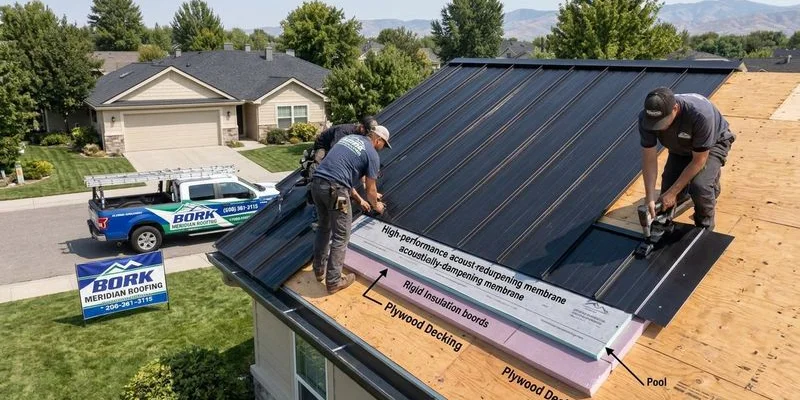
The combination of plywood or OSB sheathing, synthetic underlayment, and attic insulation absorbs sound so effectively that most homeowners cannot tell the difference.
The Science of Sound Reduction
Independent studies have confirmed that the noise difference between metal and asphalt roofs in properly constructed homes is negligible.
According to a study by the Acoustic Group, the sound of rain on a standard metal roof registers at about 52 decibels.
Rain hitting asphalt shingles registers at approximately 46 decibels.
For context, a normal human conversation takes place at roughly 60 decibels.
The difference is barely perceptible to the human ear.
Key factors that dampen sound include:
- Solid Decking: We install panels over plywood, which acts as a primary sound barrier.
- Insulation: Your attic insulation traps residual noise before it reaches living spaces.
- Fasteners: Secure installation prevents the panels from vibrating or rattling in the wind.
The barn comparison is misleading because agricultural buildings typically have metal panels installed directly on open purlins with no decking, underlayment, or insulation to dampen sound.
Myth 2: Metal Roofs Attract Lightning
The reasoning sounds logical on the surface.
Metal conducts electricity, so a metal roof must attract lightning strikes, right?
The truth: Lightning strikes the highest point in an area regardless of what material it is made of.
A metal roof does not increase the probability of a lightning strike any more than an asphalt roof does.
In fact, metal roofing is actually safer during a lightning event because it is non-combustible.
Why Metal is Safe
If lightning does strike, the energy disperses across the metal surface rather than concentrating and potentially igniting the roofing material.
Most metal roofing systems carry a Class A fire rating, the highest standard for fire resistance.
This is a critical safety feature during Idaho’s dry summer thunderstorm season.
The Metal Construction Association and multiple scientific studies have confirmed that metal roofing does not attract lightning.
Topography determines lightning targets more than materials:
- Tall trees
- Utility poles
- Antennas or spires
- Higher adjacent buildings
Trees, utility poles, and taller structures near your home are far more likely targets.
Myth 3: Metal Roofs Rust Quickly
This myth is rooted in outdated experience.
Decades ago, untreated steel roofing panels could develop rust within a few years.
That has not been the case for a long time.
The truth: Modern metal roofing panels are manufactured with multiple layers of protection.
Galvanized steel panels are coated with zinc or a zinc-aluminum alloy that prevents corrosion.
Advanced Coatings for Idaho Weather
Premium options like Galvalume steel use a coating of 55 percent aluminum and 45 percent zinc for even greater protection.
On top of that, factory-applied paint systems (often PVDF or Kynar 500 finishes) add another barrier against moisture and UV degradation.
Quality metal roofing installed in Meridian and the Treasure Valley will not rust under normal conditions for decades.
The dry Idaho climate is actually gentler on metal roofs than coastal or high-humidity environments.
Here is how modern materials compare:
| Material Type | Protective Coating | Expected Lifespan | Best For |
|---|---|---|---|
| Galvanized Steel | Zinc Layer (G90) | 30-45 Years | General residential use |
| Galvalume® | 55% Aluminum / 45% Zinc | 40-60+ Years | Maximum corrosion resistance |
| Aluminum | Natural Oxidation | 50+ Years | Coastal or high-moisture areas |
Myth 4: Metal Roofs Dent Easily in Hail
Idaho’s Treasure Valley gets its share of spring and summer hailstorms, so this concern is understandable.
Some homeowners worry that hail will leave their metal roof looking like a golf ball.
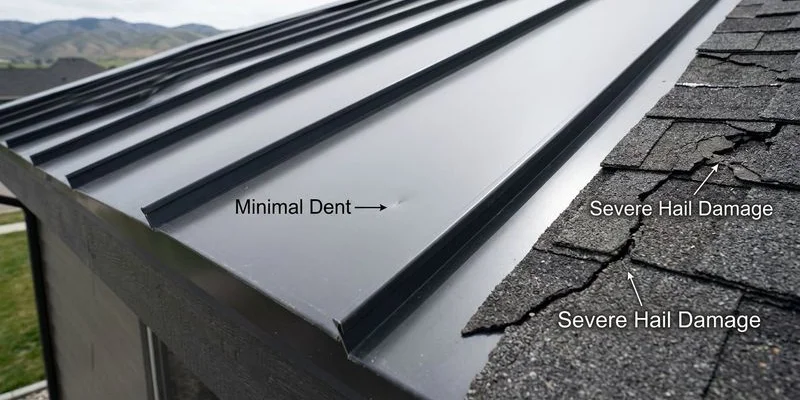
The truth: Most residential metal roofing panels achieve a Class 4 impact rating.
This is the highest rating available from Underwriters Laboratories (UL).
Understanding the UL 2218 Class 4 Rating
This means they have been tested to withstand impacts from two-inch diameter steel balls dropped from 20 feet.
Standard hailstones in the Treasure Valley rarely approach that size.
Can extreme hail leave cosmetic dents on a metal roof?
In rare cases, yes.
But a metal roof that is cosmetically dented still functions perfectly as a weather barrier.
Compare that to asphalt shingles, which lose protective granules, crack, and allow water penetration after significant hail.
The functional performance difference is substantial.
Pro Tip: Because Class 4 metal roofs are so durable, many insurance companies offer premium discounts ranging from 20% to 35% for homeowners who install them. Check with your specific carrier to see if you qualify.
Myth 5: You Cannot Walk on a Metal Roof
Homeowners sometimes worry that a metal roof is too slippery or fragile to walk on.
This fear makes people believe maintenance and gutter cleaning are impossible.
The truth: You can walk on a metal roof if you do it correctly.
Standing seam panels are designed to be walked on along the flat areas between the seams.
Corrugated panels should be stepped on at the base of the ridges where the panel contacts the decking.
The key is wearing soft-soled shoes and stepping carefully.
Safe Walking Protocols
This is standard practice for any roofing professional.
If you must access the roof, follow these guidelines:
- Wear Rubber Soles: Soft rubber soles (like Converse or specialized roofing shoes) provide necessary grip and protect the finish.
- Step on the Lows: Place your weight on the flat part of the panel (the “pan”), which sits flush against the deck.
- Avoid the Ribs: Stepping on the raised seams or ribs can kink the metal.
That said, we always recommend leaving roof access to trained professionals.
Not because the metal cannot support your weight, but because any roof presents fall hazards for people without proper safety equipment and training.
Myth 6: Metal Roofs Make Your Home Too Hot in Summer
The logic here is that metal sitting in the sun gets hot.
So a metal roof must turn your home into an oven during Treasure Valley summers.
The truth: Metal roofing actually improves energy efficiency compared to asphalt shingles.
Here is why.
Metal roofs reflect a significant portion of solar radiation rather than absorbing it.
Asphalt shingles absorb heat and radiate it into your attic space, driving up cooling costs.
The “Cool Roof” Advantage
Many metal roofing panels are available with cool-roof rated coatings that reflect even more solar energy.
Studies from the Oak Ridge National Laboratory have shown that metal roofing can reduce cooling costs by 10 to 25 percent compared to asphalt.
In Idaho’s hot summers where temperatures regularly exceed 100 degrees, that translates to real savings on your electricity bill.
Modern “Cool Pigment” technology allows even darker colors to reflect solar heat.
Benefits of reflective metal roofing include:
- Lower AC Usage: Your air conditioner does not have to work as hard during peak afternoon heat.
- Extended HVAC Life: Less strain on your cooling system means it lasts longer.
- Consistent Interior Temps: Upper floors stay cooler and more comfortable.
Make Your Decision Based on Facts
Metal roofing is not the right choice for every home or every budget.
But the decision should be based on accurate information rather than outdated myths.
The technology, coatings, and installation methods used in modern metal roofing have solved the problems that gave rise to these misconceptions.
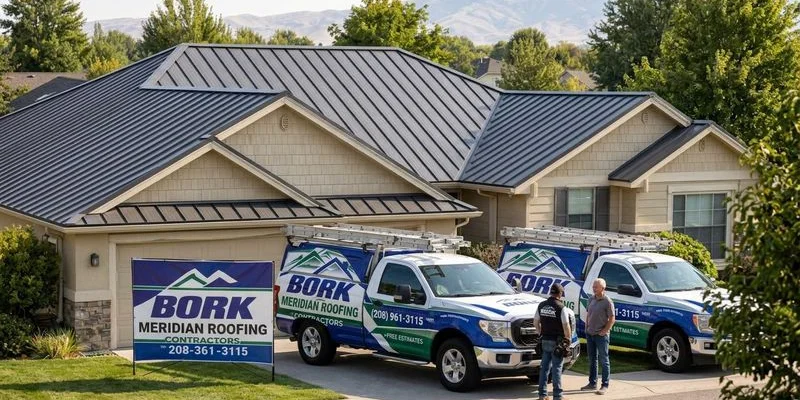
If you are considering a metal roof for your Treasure Valley home, contact Bork Roofing for a free estimate.
We will walk you through material options, show you samples, and give you an honest assessment of whether metal roofing makes sense for your specific situation.
You can also explore all of our roof replacement services to compare your options.
Do not let myths keep you from exploring one of the most durable and energy-efficient roofing options available to Idaho homeowners.